
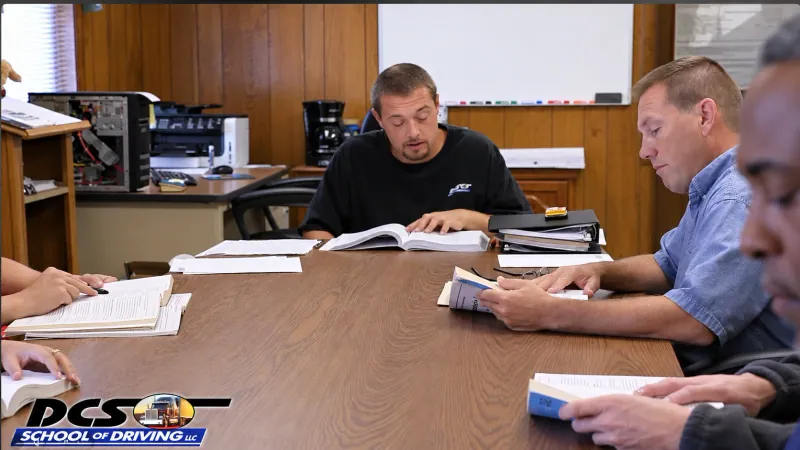
Classroom
Start with the knowledge.
Understand the truck before you get behind the wheel. Build your knowledge of its systems, safety and the material for your permit.
- Truck components, dashboard, gauges and vehicle controls
- PA CDL manual: general knowledge, air brakes, combination vehicles, doubles/triples, tankers and hazardous materials
- Steering, backing, coupling/uncoupling and inspections
- Safe driving, driving challenges, maintenance, tires and wheels
- Cargo documentation, loading/securing/unloading, trailers and specialized rigs
- Auxiliary brakes, sliding tandems/fifth wheel, economical operation
- Accidents/fires, logbooks, maps, job preparation and driver life
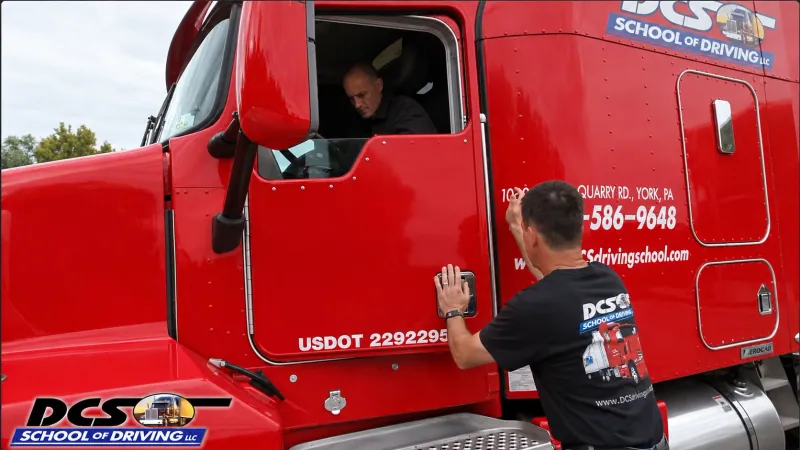
Yard practice
Build the skills.
Take what you have learned into the truck. Work with an instructor on inspections, backing and vehicle control, with time to put the fundamentals into practice.
- Vehicle orientation, straight/offset backing, coupling and uncoupling
- Pre trip inspection and in cab/SLABB
- Blindside/sightside parallel and jackknife parking
- Alley docking, serpentine backing, sliding tandems
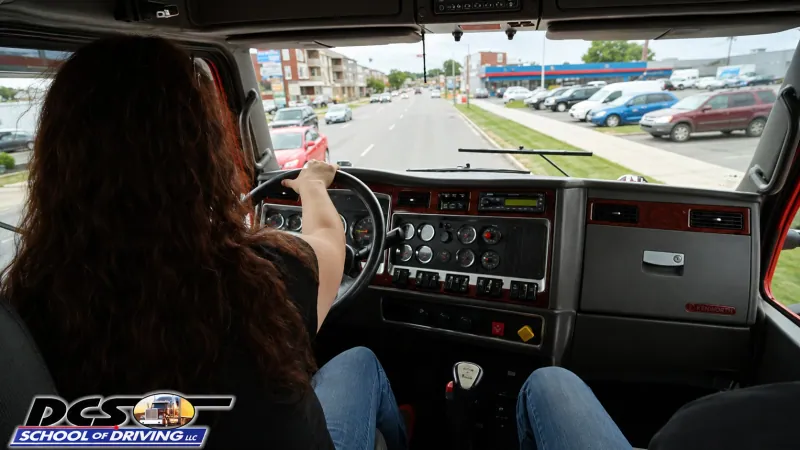
Road training
Bring it together on the road.
Develop your road skills and prepare for your CDL test. Bring your classroom learning and practical work together as you work toward your Class A license.
- Manual double clutching and shifting where applicable
- Grades, four lane highway entry/exit, lane placement and speed
- Mirrors, turns, curves/hills, city and night driving
- State driving exam practice
How your training builds.
Mostly classroom preparation for permits and endorsements.
Classroom instruction combined with practical truck work.
Primarily yard and road practice, bringing the skills together.
The 200 hours cover the full program. Daily activities depend on training conditions and progress.